 English


 Trading Servers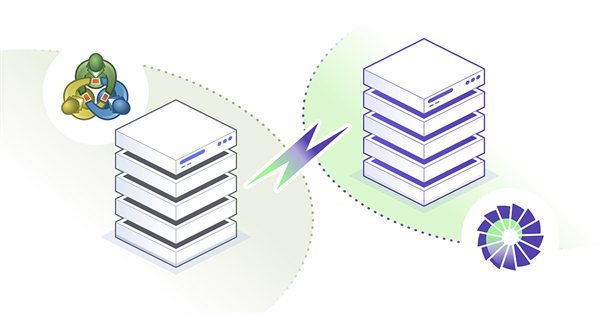
The value of low-latency infrastructure lies in reducing the distance between orders and liquidity.
The location, connection method and liquidity aggregation path of the trading server will affect quote refresh, order routing and transaction experience. GD server infrastructure is deployed around data centers commonly used in financial markets, connecting bank and non-bank liquidity sources and reducing reliance on public Internet paths through dedicated interconnection.
New York NY4: Execution environment close to quote providers
GD MetaTrader 5 servers are hosted in the NY4 data center in New York. NY4 is one of the financial market interconnection hubs, suitable for trading systems that require fast quotes, deep liquidity and stable connections.
- Use low-latency connections between servers, aggregation environments, and liquidity sources.
- Quotes can be aggregated across multiple bank and non-bank liquidity venues.
- Shorter paths help improve the speed at which orders reach the executable price.
London LD5: Low-latency node for European connectivity
LD5 is located near the London financial ecosystem and is often used to quickly connect liquidity providers and trading systems. It complements NY4, allowing traders in different regions to obtain more reasonable network paths.
- Suitable for manual and automated trading workflows in Europe and surrounding regions.
- Designed for financial connectivity, stability, and low-latency communications.
- Help the platform maintain more consistent connectivity performance across different market periods.
Path from quote to order execution
- Quote inputMultiple liquidity sources provide tradable prices to the aggregation environment.
- Server routingTransaction requests enter the execution environment over a low-latency connection.
- Order matchingThe system processes orders based on available price, depth, and market conditions.
- Result returnedThe transaction, rejection or partial transaction results are returned to the trading platform.